
ABOUT THE MÉTIS
Family Structure
The Métis family structure has always been the backbone of Métis communities and has provided the foundational relationship for economic, political, social, and cultural activities and alliances.
The family provides a sense of belonging and supports the well-being of each individual. The concept of wahkohtowin (wa-ko-to-win), a Cree word that expresses the interconnectivity and relationships we share with all things, is central to the Métis understanding of the social responsibilities and obligations held between members of the family and community.
Many components of Métis culture, such as beading, jigging, music and weaving, are traditions. When Métis people were dispersed from their homeland and lived outside of Métis communities, the family continued to be the primary vehicle for passing on cultural knowledge and ways of being.
Reference: KAA-WIICHIHITOYAAHK Metis Perspective Cultural Wellness Book P. 65
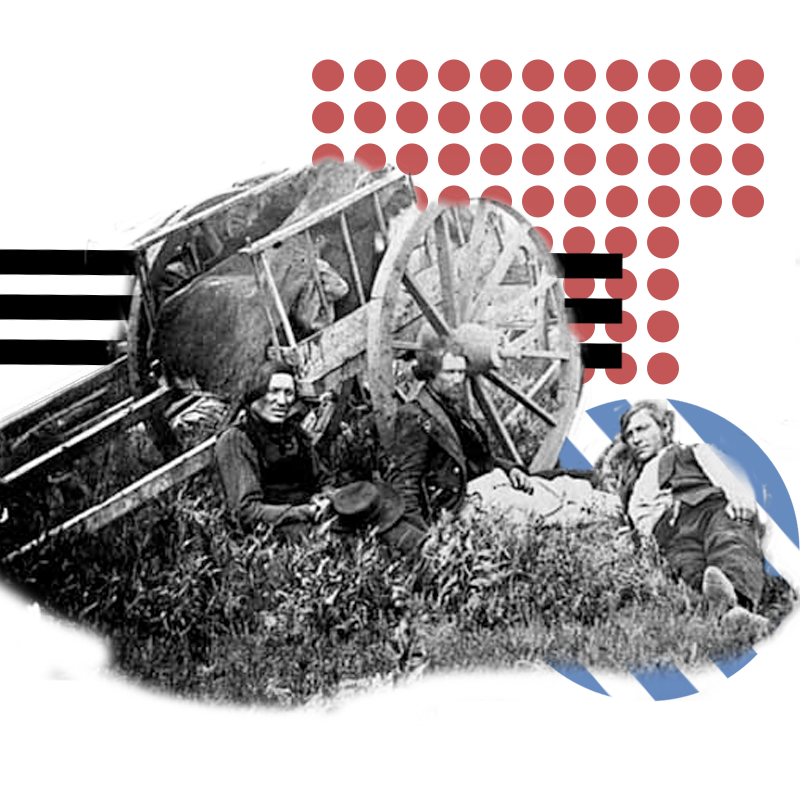
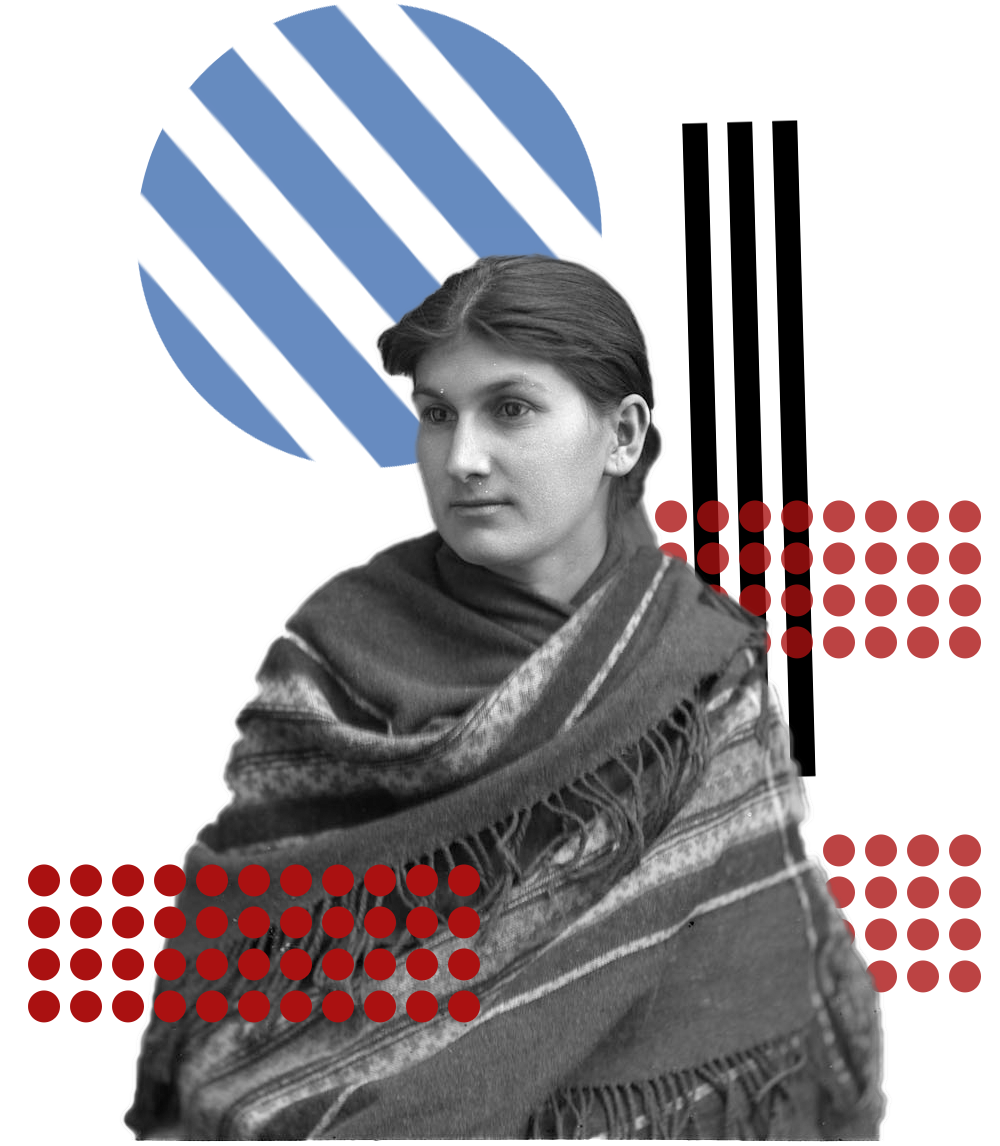
FAMILY STRUCTURE
Women And Elders
The Métis have an extended multi-generational family structure known as kinship networks. Kinship networks are one of the most significant factors in structuring Métis communities. Extended family members often have roles in raising children, who are surrounded by networks of aunts, uncles, cousins and grandparents. Métis people often take pride in tracing their roots back to the Red River and in doing so finding connection and belonging within the larger Métis Nation.
Metis Culture Demonstrates high respect for women and Elders. Women have always had influential and distinct roles in Métis society and are seen as keepers of the land, law, kinship, knowledge and culture. They also traditionally held a respected role in raising children alongside other family members, notably grandparents. Elders are honored as advisors and Knowledge Keepers, and in Métis communities they are often responsible for making leadership decisions or resolving conflicts. They also play an essential role in passing down language and culture to the younger generations.
Reference: KAA-WIICHIHITOYAAHK Metis Perspective Cultural Wellness Book P. 65
CRAFTS AND CULTURE
Art And Clothing
Beadwork
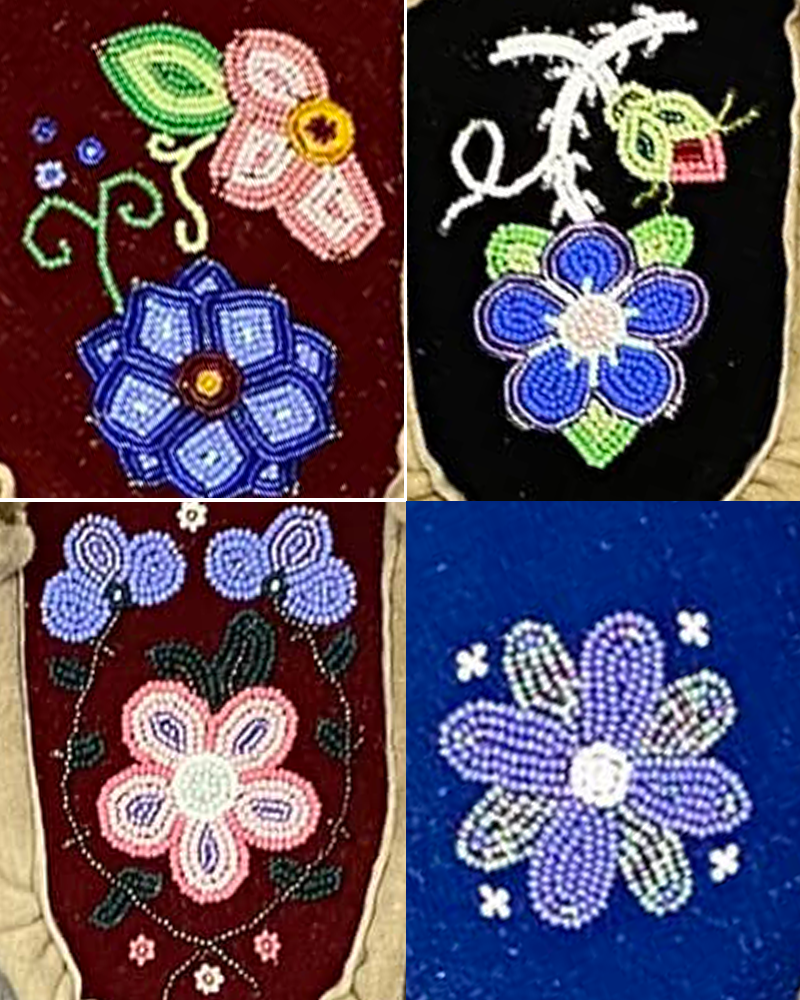
Women were an essential part of the success of the Métis as they kept close ties to their First Nations families and brought with them the skills for making food, tanning hides, and making clothing. Beading was originally done in geometric patterns by several of the Plains First Nations. Métis girls were taught embroidery with floral designs by the Grey Nuns and from these patterns, Métis women created a distinct form of beadwork that involved organic forms and floral motifs. They incorporated so much colour and decoration into their clothing that it became an art form. From this, the Métis became known as ‘the flower beadwork people’. Their beadwork decorated coats, mittens, leggings, pouches, saddle pads and blankets. It’s an incredibly beautiful art that became very fashionable in Europe at the end of the 19th century. With the demise of the bison, this art form became an important source of income for the Métis. The irony is that Europeans often wanted their artwork to come from “real native” artists, so the Métis often sold their art to other First Nations groups, who then resold them to the European traders.
Reference: Laura Peers, “Many Tender Ties: The Shifting Contexts and Meanings of the S BlackBag”, World Archeology, Vol. 31 (2), 1999, p. 288.
Métis Sash
About the Métis Sash
The Métis is probably the most distinctive article of clothing and is considered by many Métis to be a visible symbol of their identity. It was originally known as une ceinture fléchée, meaning “arrow belt” because of the zig-zag pattern. They were created from European wool, using a First Nations finger weaving technique that is still often used today. Each handwoven sash takes hundreds of hours to create.
The sash is typically worn wrapped around the waist for men or over the shoulder for women. Today the sash is often worn as ceremonial dress to honour people for achievements and recognize membership in a Métis community. Wearing the sash connects Métis people with their ancestors and their Métis identity.
Reference: KAA-WIICHIHITOYAAHK Metis Perspective Cultural Wellness Book P. 70
Represents the blood of the Métis that was shed through the years while fighting for rights.
Represents the depth of our Métis spirits.
Represents the fertility of a great nation.
Represents our connection to the earth and our creator.
Represents the prospect of prosperity.
Represents the dark period of the suppression and dispossession of the Métis land.